

What Are Kidney Stones?
What Are Kidney Stones?
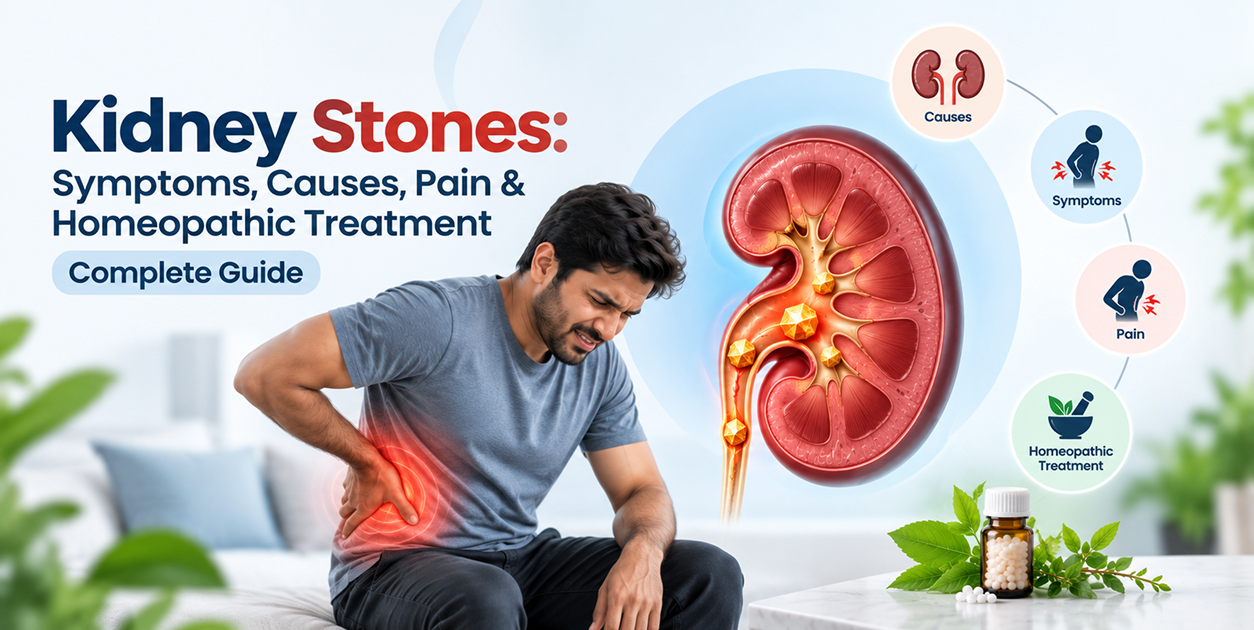
Kidney stones are hard deposits made of minerals and salts that form inside the kidneys when urine becomes concentrated, allowing these substances to crystallize and stick together. Stones can range from as small as a grain of sand to as large as a golf ball, and their size largely determines whether they pass on their own or require intervention.
Kidney stones are among the most common urological conditions globally. Research based on national health surveys shows the condition affects roughly one in ten adults over their lifetime, with a notably higher prevalence in men than in women. Rising rates in recent years have been linked to dietary and lifestyle factors, including diet, dehydration, and increasing obesity rates.
Stones can form in one or both kidneys, and while some people experience a single episode in their lifetime, others develop a recurring pattern that requires ongoing management rather than one-time treatment.
Key takeaways
- Kidney stones are hard deposits of minerals and salts that form inside the kidneys
- They affect approximately 1 in 10 people over a lifetime, with higher rates in men than women
- Common symptoms include severe flank pain, blood in urine, nausea, and frequent urination
- Symptoms in women can sometimes be mistaken for other conditions like UTIs or menstrual pain
- Main causes include dehydration, diet, family history, and certain metabolic conditions
- Pain typically starts in the back or side and can radiate to the lower abdomen and groin
- Diagnosis usually combines symptom history with imaging or urine testing
- Prevention centers on hydration and dietary adjustments based on stone type
- Homeopathic treatment focuses on addressing the underlying tendency to form stones, alongside dietary and lifestyle changes
Symptoms
Symptoms of Kidney Stones
Symptoms often don’t appear until a stone moves within the kidney or passes into the ureter — the tube connecting the kidney to the bladder — at which point they can develop suddenly and intensely. Common symptoms include:
- Severe pain in the back, side, or lower abdomen
- Pain that radiates to the groin, coming in waves of varying intensity
- Blood in urine (pink, red, or brown)
- Nausea and vomiting
- Frequent urge to urinate
- Burning sensation during urination
- Cloudy or foul-smelling urine
- Fever and chills (if infection is also present)
- Urinating in small amounts, or difficulty passing urine at all
Not everyone experiences every symptom smaller stones sometimes pass with mild discomfort or no noticeable symptoms at all, which is why some people only discover a stone during an unrelated scan.
Symptoms in Women
Kidney Stone Symptoms in Women
While the core symptoms of kidney stones are similar across genders, there are a few points worth noting specifically for women:
- Kidney stone pain can sometimes be mistaken for menstrual cramps, ovarian cysts, or pelvic pain due to overlapping pain locations
- Urinary symptoms (burning, frequency) can overlap with UTI symptoms, which are also more common in women — leading to possible misdiagnosis
- Pregnancy increases the risk of kidney stone formation due to hormonal and physiological changes affecting the urinary tract, and pain during pregnancy needs prompt evaluation
- Hormonal fluctuations across the menstrual cycle can sometimes make it harder to distinguish stone-related pain from cyclical pain
- Women should seek evaluation if pain is severe, persistent, or accompanied by fever, rather than assuming it’s a routine menstrual or urinary issue
Because of this symptom overlap, an accurate diagnosis often requires imaging or urine testing rather than relying on symptoms alone. Women with recurring UTIs alongside unexplained flank pain should mention both to their doctor, since the two conditions can also occur together.
What Causes Them?
What Causes Kidney Stones?
Kidney stones form when urine contains more crystal-forming substances — calcium, oxalate, uric acid — than the fluid in the urine can dilute. Several factors increase this risk:
- Dehydration — not drinking enough fluids concentrates urine and promotes crystallization; this is considered one of the most significant and preventable risk factors
- Diet — high sodium, high animal protein, and high-oxalate foods (such as certain leafy greens, nuts, and chocolate) increase risk
- Family or personal history — a genetic predisposition significantly raises risk, and people who’ve had one stone are more likely to develop another
- Obesity — linked to metabolic changes that promote stone formation
- Certain medical conditions — including gout, hyperparathyroidism, inflammatory bowel disease, and some digestive disorders that affect how the body absorbs calcium and oxalate
- Some medications — certain diuretics and calcium-based antacids
- Reduced physical activity — sedentary lifestyles and prolonged bed rest are associated with higher risk
- Climate and occupation — people in hot climates or physically demanding jobs with limited fluid intake face higher risk due to increased fluid loss
Most people develop stones due to a combination of these factors rather than a single cause, which is why a thorough case history matters more than treating any one risk factor in isolation.
Pain: Location & Feel
Kidney Stone Pain: Location & What It Feels Like
Kidney stone pain, often called renal colic, is one of the most distinctive symptoms of the condition. It typically:
Where it starts
Starts in the back or side, below the ribs, an area sometimes called the flank
Where it moves
Radiates toward the lower abdomen and groin as the stone moves down the ureter
How it feels
Comes in waves, fluctuating in intensity rather than staying constant, often described as cramping alternating with sharper spikes
As it progresses
Changes location as the stone moves through the urinary tract — pain closer to the back usually means the stone is higher up, while pain closer to the groin suggests it has moved lower
Severity
Is frequently described as one of the most severe pain sensations a person can experience, often compared to labor pain in intensity
The location and pattern of pain can help a doctor estimate roughly where the stone is within the urinary tract, though imaging is needed to confirm size and exact position. Pain severity doesn’t always correlate with stone size; small stones can sometimes cause intense pain if they get lodged in a narrow part of the ureter.
Types of Kidney Stones
Types of Kidney Stones
Not all kidney stones are the same — the type affects both cause and management approach:
Most common
Calcium Stones
Usually calcium oxalate, linked to diet and how the body processes calcium and oxalate.
Uric Acid Stones
Diet & gout linked
Linked to dehydration, high-protein diets, and conditions like gout.
Struvite Stones
Infection related
Associated with urinary tract infections, can grow quickly and become quite large before causing symptoms.
Cystine Stones
Inherited condition
Caused by a rare inherited disorder that causes the kidneys to excrete too much of a specific amino acid.
Diagnosis
How Are Kidney Stones Diagnosed?
Diagnosis typically combines a symptom history with imaging and lab tests to confirm the presence, size, and location of a stone. Common diagnostic steps include:
- Physical examination and symptom history — including pain pattern, family history, and diet
- Urine tests — to check for blood, signs of infection, and crystal-forming substances
- Imaging — CT scans, ultrasounds, or X-rays to locate and size the stone
- Blood tests — to check kidney function and levels of substances like calcium and uric acid
- Stone analysis — if a stone is passed or surgically removed, lab analysis identifies its composition to guide prevention
Because symptoms can overlap with other conditions, particularly in women, imaging is often necessary to confirm a kidney stone rather than relying on symptoms alone.
Treatment
Kidney Stone Treatment
Treatment depends on stone size, location, and symptom severity. Smaller stones (generally under a few millimeters) often pass naturally with increased fluid intake and pain management, while larger stones may require medical or surgical intervention depending on the case and are managed by a urologist.
Homeopathic treatment for kidney stones focuses on the individual’s overall predisposition — hydration habits, diet, metabolic factors, and recurrence patterns — rather than only addressing an active stone episode. This involves a detailed case history covering diet, water intake, family history, and any previous stone episodes, since the tendency to form stones varies significantly between individuals. The aim is to support the body’s ability to manage smaller stones and reduce the likelihood of recurrence over time.
A Trusted Homoeopathic Expert
- 8+ Years of Clinical Experience in Homoeopathy
- Treats Patients Across India & Internationally Online
- Offers Personalised Constitutional Treatment
- Specialises in Respiratory, Digestive & Chronic Conditions
- Available for Online & In-Clinic Consultations
- Prescribed Remedies Delivered to Your Doorstep

Pain Relief
Pain Relief for Kidney Stones
While passing a stone, several measures commonly help manage discomfort alongside professional treatment:
- Increasing fluid intake to encourage stone movement and dilute urine
- Applying warmth to the affected area for temporary comfort
- Avoiding foods known to worsen symptoms during an active episode
- Monitoring urine output and color as a sign of progress
- Resting during acute pain episodes rather than pushing through physical activity
Severe or worsening pain should always be evaluated promptly rather than managed at home alone, particularly if it’s accompanied by fever or vomiting.
Homeopathic Medicine
Homeopathic Medicine for Kidney Stones
Homeopathy approaches kidney stones by addressing the body’s overall tendency to form stones — factors like metabolic patterns, hydration habits, and dietary triggers — alongside supporting the body’s ability to pass smaller stones naturally. Because stone type, size, and recurrence pattern vary widely between individuals, treatment is personalized after a detailed evaluation rather than following a standardized approach.
For people with a history of recurring stones, this evaluation typically also looks at longer-term patterns — diet over months rather than days, hydration habits, and any family history — since recurrence prevention is often as important as managing an active episode.
Consult Dr. Shubham Tiwary
Dr. Shubham Tiwary specializes in kidney stones and related urological concerns at Dharma Homoeopathy, Bangalore, and can help assess whether your symptoms need urgent care or ongoing management.
Prevention
Preventing Kidney Stones
While not all kidney stones are preventable, several habits can meaningfully reduce risk, particularly for people who’ve had a stone before:
1 Stay well hydrated
Aim for pale-colored urine as a general hydration marker.
2 Moderate sodium intake
High salt intake increases calcium excretion, which raises stone risk
3 Limit high-oxalate foods
If you’ve had calcium oxalate stones specifically, based on your doctor’s guidance
4 Maintain a healthy body weight
Since obesity is linked to higher stone risk
5 Get regular physical activity
Sedentary habits are associated with increased risk
6 Follow up with testing
If you’ve had a stone before, since stone composition guides which prevention strategy applies to you
Prevention strategies work best when tailored to the specific stone type a person has had, which is another reason stone analysis matters after a first episode.
When to See a Doctor
When to See a Doctor
Seek prompt medical evaluation if you experience:
- Severe pain that doesn’t improve with rest or fluids
- Pain accompanied by fever, chills, or vomiting
- Blood in urine
- Difficulty urinating or very little urine output
- Signs of infection alongside stone symptoms
Dr. Shubham Tiwary specializes in kidney stones and related urological concerns at Dharma Homoeopathy, Bangalore, and can help assess whether your symptoms need urgent care or ongoing management.
Consult Dr. Shubham Tiwary on WhatsApp: +91 97313 85414
FAQs
Frequently Asked Questions
What does kidney stone pain feel like?
It’s often described as sharp, severe pain in the back or side that comes in waves and can radiate to the lower abdomen and groin.
Can kidney stones go away without treatment?
Small stones often pass on their own with adequate hydration, but larger stones may need medical intervention.
Are kidney stone symptoms different in women?
The core symptoms are similar, but pain and urinary symptoms can sometimes overlap with menstrual or UTI symptoms, making evaluation important.
What foods cause kidney stones?
High-sodium, high-oxalate, and high-animal-protein foods are commonly linked to increased risk, though individual triggers vary by stone type.
Can homeopathy help with kidney stones?
Homeopathic treatment focuses on addressing the underlying tendency to form stones and supporting natural passage of smaller stones, personalized to the individual’s case history.
How are kidney stones diagnosed?
Diagnosis usually combines symptom history with urine tests and imaging like a CT scan or ultrasound to confirm size and location.
Medical disclaimer: This guide is educational and does not replace personalised medical advice. Severe kidney stone episodes — particularly those with fever, vomiting, or urinary blockage — require prompt medical evaluation. Always follow the guidance of your treating physician or urologist for your specific case.