

What Is Menstrual Migraine?
What Are Kidney Stones?
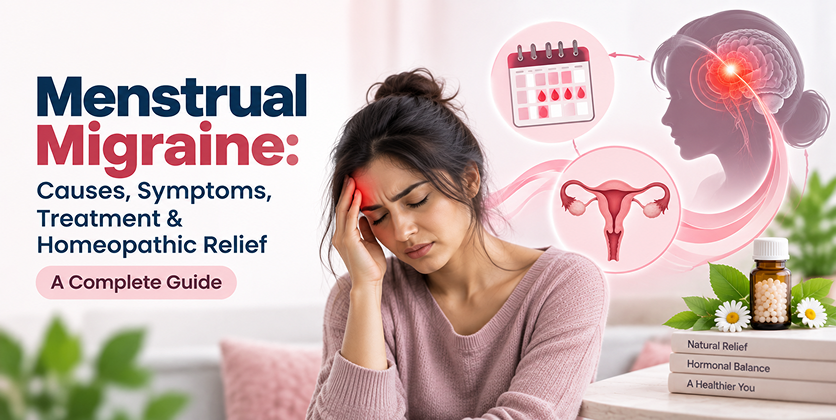
Menstrual migraine is a subtype of migraine that occurs in close relation to the menstrual cycle, specifically linked to the natural drop in estrogen that happens in the days just before a period begins. It’s classified clinically as occurring from two days before menstruation through the first three days of bleeding.
Unlike migraine that can strike at unpredictable times, menstrual migraine follows a fairly consistent cyclical pattern, which is often the clearest clue that hormones are involved. Population-based research published in Cephalalgia found menstrual migraine accounts for roughly 22% of migraine cases among women aged 30–34, with the vast majority following a menstrually-related rather than purely menstrual pattern.
There are two recognized types, and the distinction matters for treatment planning:
- Pure menstrual migraine — Attacks occur exclusively around menstruation and at no other point in the cycle
- Menstrually related migraine — Attacks occur around menstruation but also at other, less predictable times during the cycle
Most women with a menstrual pattern fall into the second category, which means part of the diagnostic process involves distinguishing which attacks are truly cycle-linked and which aren’t.
Key Takeaways
Key takeaways
- Most women with a menstrual pattern fall into the second category, which means part of the diagnostic process involves distinguishing which attacks are truly cycle-linked and which aren't.
- It affects roughly half of women who experience migraine, based on population studies
- Menstrual attacks tend to be longer, more severe, and harder to treat than non-menstrual migraine attacks
- Symptoms typically appear 2 days before menstruation through the first 3 days of bleeding
- With the right personalized treatment, menstrual migraine can be effectively treated and its recurrence prevented over time
- Homeopathic treatment focuses on the body's underlying hormonal tendency rather than only the pain
- Tracking your cycle alongside migraine episodes helps confirm the pattern and guide treatment
Symptoms
Symptoms of Menstrual Migraine
The symptoms of menstrual migraine largely overlap with regular migraine, but they tend to present with a distinct pattern and timing:
- Throbbing or pulsing head pain, often on one side
- Sensitivity to light and sound
- Nausea, sometimes with vomiting
- Fatigue and low energy in the days surrounding the attack
- Difficulty concentrating during an episode
- Attacks that consistently cluster around the start of menstruation
- Symptoms overlapping with premenstrual syndrome, such as bloating, mood changes, or breast tenderness
Menstrual Migrane V/s Regular Migrane
Menstrual Migraine vs. Regular Migraine: Key Differences
Because the two are often confused, it helps to understand what sets menstrual migraine apart:
| Feature | Detail |
|---|---|
|
Timing |
menstrual migraine follows a predictable window tied to the cycle, while regular migraine can occur at any time |
|
Duration |
menstrual attacks tend to last longer than non-menstrual attacks |
|
Severity |
menstrual attacks are often reported as more intense and disabling |
|
Response to treatment |
menstrual attacks can be less responsive to standard symptomatic treatment, which is part of why a cycle-aware approach matters |
|
Recurrence pattern |
Low-fat curd, buttermilk, low-fat milk |
Recognizing these differences is often the first step toward getting an accurate diagnosis, since the same general migraine treatment approach doesn’t always work equally well for both patterns.
What causes menstrual migrane
What Causes Menstrual Migraine?
The primary trigger behind menstrual migraine is the sharp drop in estrogen that occurs in the late luteal phase of the menstrual cycle, just before menstruation begins. This estrogen withdrawal is believed to affect pain-processing pathways in the brain, making migraine attacks more likely during this window.
Several factors influence how strongly this hormonal shift affects an individual:
1 Estrogen withdrawal
The primary and most well-established trigger
2 Genetic predisposition
A family history of migraine increases susceptibility
3 Hormonal contraception
Combined hormonal birth control can influence attack frequency and timing in some women
4 Perimenopause
Marked hormonal fluctuation during this transition often intensifies menstrual migraine before frequency eventually declines after menopause
5 Compounding triggers
Stress, poor sleep, dehydration, and certain foods can worsen attacks that are already primed by hormonal changes
Because estrogen fluctuation is central to this pattern, menstrual migraine often changes in frequency and intensity across different life stages — pregnancy, use of hormonal contraception, and the approach to menopause can all shift how the condition presents. Many women notice improvement during pregnancy, when estrogen levels remain elevated and stable, followed by a possible return of symptoms postpartum as hormone levels readjust.
Tracking Your Cycle to Confirm the Pattern
Because menstrual migraine is defined by its relationship to the cycle, keeping a simple symptom diary for two to three months is one of the most useful diagnostic tools available. A useful diary typically tracks:
- The date and severity of each migraine attack
- The day of the cycle it occurred on
- Associated symptoms (nausea, aura, PMS-related symptoms)
- Any known triggers present that day (stress, poor sleep, specific foods)
This record helps distinguish true menstrual migraine from migraine that simply coincides with a stressful or disrupted period, and gives your doctor a clearer basis for building a personalized treatment plan.
A Trusted Homoeopathic Expert
- 8+ Years of Clinical Experience in Homoeopathy
- Treats Patients Across India & Internationally Online
- Offers Personalised Constitutional Treatment
- Specialises in Respiratory, Digestive & Chronic Conditions
- Available for Online & In-Clinic Consultations
- Prescribed Remedies Delivered to Your Doorstep

Menstrual Migrane Treatment
Menstrual Migraine Treatment
Treatment for menstrual migraine generally follows two tracks: acute treatment to manage pain when an attack hits, and preventive treatment aimed at reducing how often attacks happen in the first place.
Acute treatment
Focuses on the specific attack — early intervention as soon as symptoms start tends to work better than waiting, since menstrual attacks are known to escalate quickly and respond less well to treatment once fully underway.
Preventive treatment
Used when attacks are frequent, severe, or predictable enough to anticipate — some women benefit from short-term preventive measures timed to start a few days before their expected attack window, based on their tracked cycle pattern.
Sits primarily on the preventive side: it works with the individual’s constitutional and hormonal pattern to reduce the frequency and severity of attacks over time, based on a detailed case history covering cycle regularity, attack timing, associated symptoms, stress levels, and family history.
Is There a Cure for Menstrual Migraine?
Yes — with the right approach, menstrual migraine can be effectively treated. While it’s linked to a natural hormonal cycle, that doesn’t mean women have to live with recurring attacks indefinitely. Homeopathy works by addressing the individual’s underlying hormonal and constitutional pattern, rather than just managing pain during an attack, with the goal of resolving the tendency toward these attacks over time.
Many women see a marked reduction in how often attacks occur, how severe they are, and how long they last — with consistent, personalized treatment — and for many, attacks stop being a recurring issue altogether.
Menstrual Migraine Relief
When an attack is underway, several measures can help manage symptoms in the moment:
- Resting in a dark, quiet room away from light and sound triggers
- Staying well hydrated throughout the attack
- Applying a cold compress to the head or neck for temporary relief
- Avoiding known dietary triggers during the vulnerable window around your period
- Gentle movement or stretching once acute nausea has passed, if tolerated
These measures address the immediate discomfort of an attack, but they work best alongside a longer-term treatment plan rather than as a standalone solution, since menstrual migraine tends to recur predictably each cycle without addressing the underlying pattern.
Homeopathic Approach to Menstrual Migraine
Homeopathy treats menstrual migraine by looking at the individual’s overall hormonal pattern, stress response, sleep quality, and cycle-related symptoms together, rather than treating each migraine attack as an isolated event. Because the way estrogen fluctuation affects each woman is different — in timing, severity, and associated symptoms — treatment is personalized rather than standardized.
This typically involves an initial detailed consultation covering cycle history, attack patterns, family history, and any other symptoms that occur alongside the migraine (mood changes, bloating, breast tenderness), since these details help build a complete picture of the individual’s hormonal pattern.
When to See a Doctor
When to See a Doctor
While menstrual migraine is common, certain signs warrant prompt medical evaluation:
Seek evaluation if you notice:
- A new or significant change in your usual migraine pattern
- Migraine with aura that is new or worsening
- Attacks that are increasing in frequency or severity over time
- Symptoms that don’t respond to your usual management approach
- Any migraine accompanied by neurological symptoms like weakness, confusion, or vision loss (seek immediate care)
Consult Dr. Shubham Tiwary
Dr. Shubham Tiwary specializes in migraine, headache, dizziness, vertigo, and related neurological concerns at Dharma Homoeopathy, Bangalore, and can help determine whether your symptoms fit the vestibular migraine pattern.
FAQs
Frequently Asked Questions
Is menstrual migraine the same as regular migraine?
It’s a subtype of migraine specifically linked to the hormonal drop before menstruation, and tends to be longer and more severe than non-hormonal migraine attacks.
Can menstrual migraine be cured permanently?
With a personalized, consistent treatment approach, menstrual migraine can be effectively treated, with many women seeing lasting improvement over time.
What's the fastest way to get relief during an attack?
Resting in a dark, quiet room, staying hydrated, and applying a cold compress are commonly helpful in-the-moment measures.
Does menstrual migraine get worse with age or menopause?
Many women experience intensified symptoms during perimenopause due to greater hormonal fluctuation, with frequency typically declining after menopause.
Can diet affect menstrual migraine?
Yes — certain foods can compound the hormonal trigger, though specific dietary triggers vary from person to person.
How can I tell if my migraine is really menstrual?
Tracking your cycle and migraine attacks for two to three months is the most reliable way to confirm a true cycle-linked pattern.
Medical disclaimer: This guide is educational and does not replace personalised medical advice. Sudden or severe vertigo, particularly with neurological symptoms, requires immediate clinical evaluation. Always follow the guidance of your treating physician for your specific case.