

Learn More About Homeopathy

Best Homeopathy Treatment for Diabetes

Homeopathy Treatment for Diabetes

Introduction Is homeopathy a possible way to manage diabetes naturally? Yes! With rising interest in natural healing, homeopathy is gaining attention. It is gentle, non-invasive, and focuses on the whole body. Homeopathy doesn’t aim just to control sugar levels. It works by activating the body’s natural healing ability. The goal is to restore balance and improve overall health. Many people prefer it because it is safe and easy to follow. It takes into account your physical and emotional health. In this article, we will explore how homeopathy works for diabetes and what you can expect. How Homeopathy Approaches Diabetes Treatment Homeopathy takes a very different approach when it comes to treating diabetes. Instead of just controlling sugar levels, it looks at the whole person. It tries to understand the root cause. Homeopathy doesn’t treat everyone the same. It provides a plan tailored to your body and lifestyle. That’s why many

Read More »

Benefits of Choosing a Homoeopathic Doctor

Introduction When it comes to choosing a doctor for your healthcare needs, there are many options available. Two of the most popular choices are homeopathic and allopathic doctors. While both types of doctors have their own unique benefits, there are several reasons why choosing a homoeopathic doctor may be the right choice for you. What is Homeopathy and Why You Should Choose It? Homeopathy is a form of alternative medicine where a substance that can cause symptoms in a healthy person is used in a highly diluted form to treat similar symptoms in a sick person. Homeopathic remedies are prepared through a process called potentization. That involves diluting the original substance and vigorously shaking it. Homeopathy is based on the belief that the body can heal itself and that lower doses of medication can be more effective. Individualized Treatment One of the biggest benefits of choosing a homoeopathic doctor is

Read More »

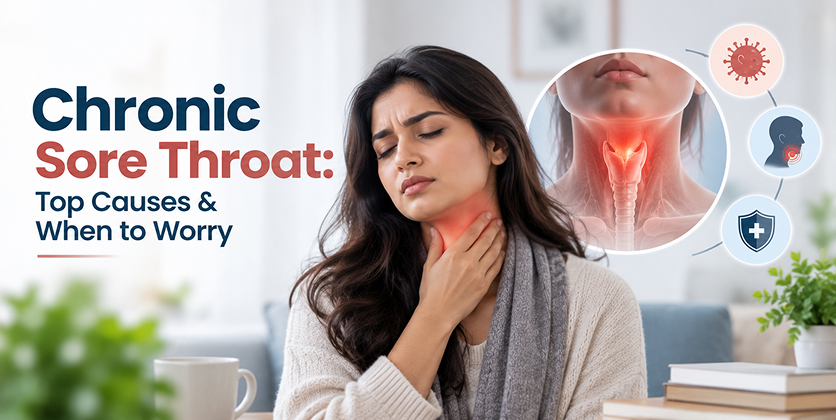
Chronic Sore Throat: Top Causes & When to Worry

Introduction Introduction Most sore throats improve within 5–7 days. They’re typically linked to viral infections and resolve with rest and hydration. But when a sore throat won’t go away and lingers for weeks, it moves from a routine symptom to something worth a proper look. If you’re searching for: What causes a sore throat that won’t go away Why your throat hurts when you swallow A persistent sore throat with no other symptoms A sore throat for a week or sore throat for 3 weeks Sore throat and ear pain together Sore throat remedy options that actually help This guide covers all of it, along with the red flags that mean it’s time to see a doctor rather than wait it out. According to the Centers for Disease Control and Prevention, most acute sore throats are viral and self-limiting. But a long-lasting sore throat frequently stems from non-infectious causes, including:

Read More »

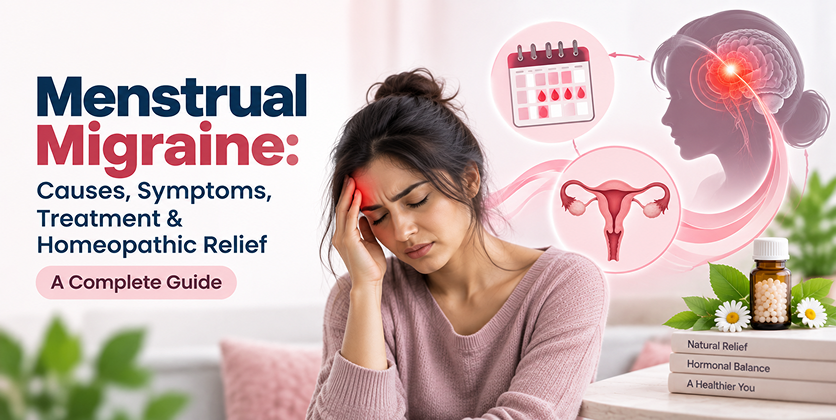
Menstrual Migraine: Causes, Symptoms, Treatment & Homeopathic Relief

What Is Menstrual Migraine? What Are Kidney Stones? Menstrual migraine is a subtype of migraine that occurs in close relation to the menstrual cycle, specifically linked to the natural drop in estrogen that happens in the days just before a period begins. It’s classified clinically as occurring from two days before menstruation through the first three days of bleeding. Unlike migraine that can strike at unpredictable times, menstrual migraine follows a fairly consistent cyclical pattern, which is often the clearest clue that hormones are involved. Population-based research published in Cephalalgia found menstrual migraine accounts for roughly 22% of migraine cases among women aged 30–34, with the vast majority following a menstrually-related rather than purely menstrual pattern. There are two recognized types, and the distinction matters for treatment planning: Pure menstrual migraine — Attacks occur exclusively around menstruation and at no other point in the cycle Menstrually related migraine — Attacks

Read More »

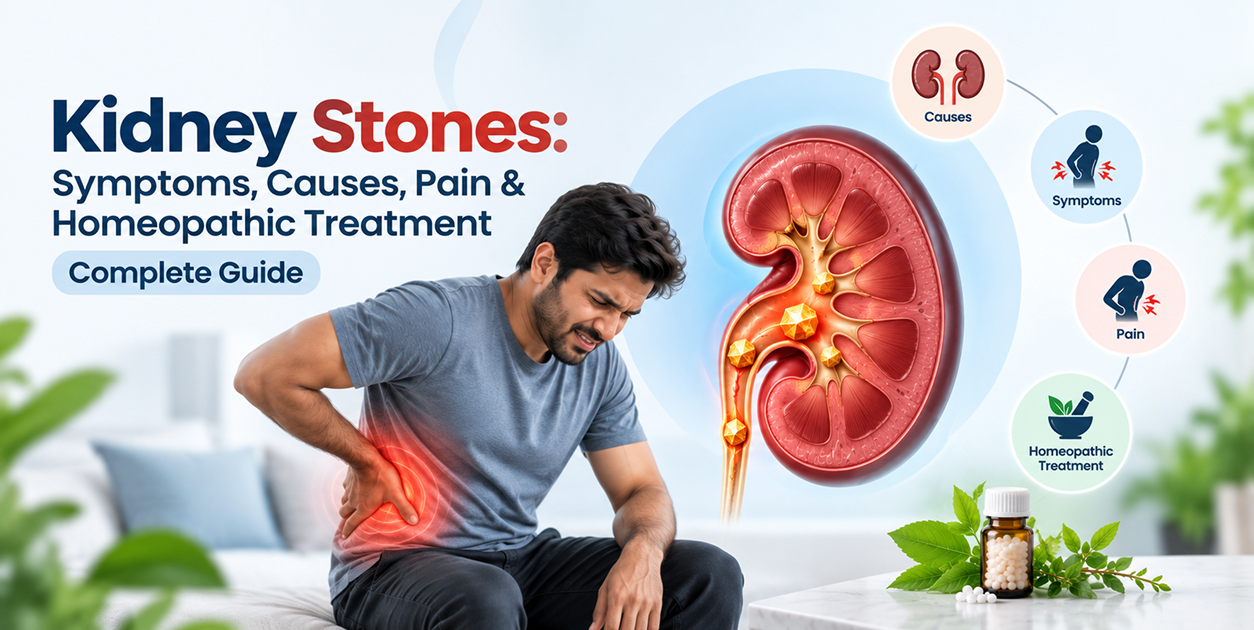
Kidney Stones: Symptoms, Causes, Pain & Homeopathic Treatment — Complete Guide

What Are Kidney Stones? What Are Kidney Stones? Kidney stones are hard deposits made of minerals and salts that form inside the kidneys when urine becomes concentrated, allowing these substances to crystallize and stick together. Stones can range from as small as a grain of sand to as large as a golf ball, and their size largely determines whether they pass on their own or require intervention. Kidney stones are among the most common urological conditions globally. Research based on national health surveys shows the condition affects roughly one in ten adults over their lifetime, with a notably higher prevalence in men than in women. Rising rates in recent years have been linked to dietary and lifestyle factors, including diet, dehydration, and increasing obesity rates. Stones can form in one or both kidneys, and while some people experience a single episode in their lifetime, others develop a recurring pattern that

Read More »

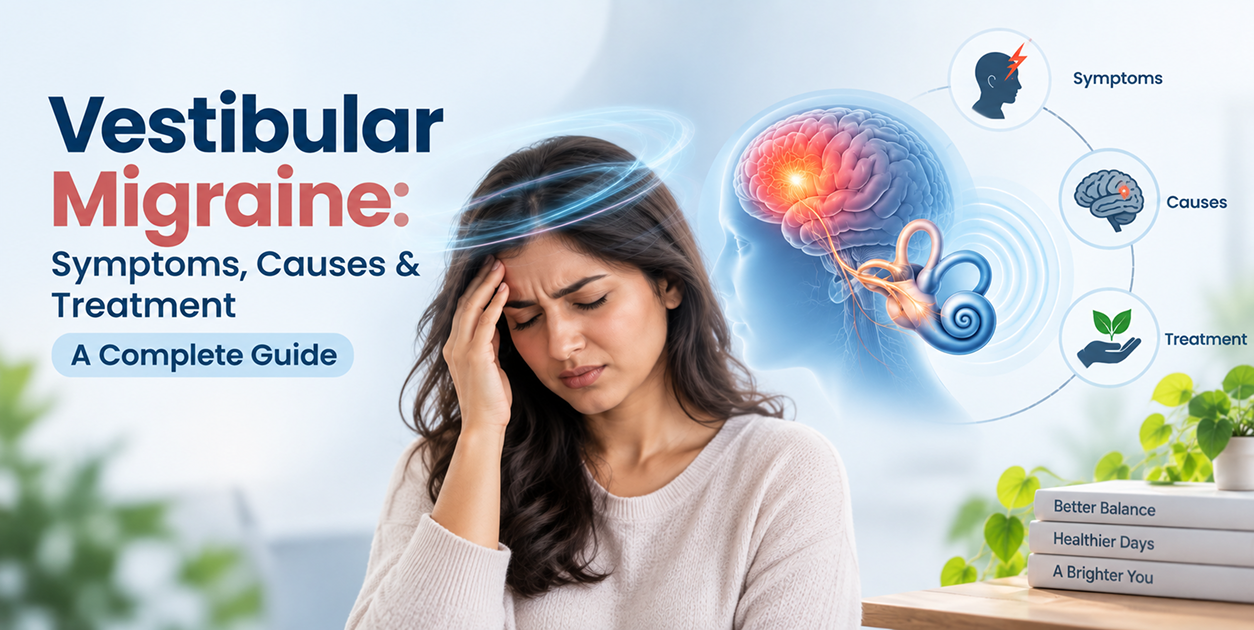
Vestibular Migraine: Symptoms, Causes & Treatment — A Complete Guide

What Is Vestibular Migraine? What Is Vestibular Migraine? Vestibular migraine is a neurological condition that affects the vestibular system — the part of the inner ear and brain responsible for balance, coordination, and spatial orientation — causing recurring episodes of dizziness or vertigo connected to migraine. Unlike a typical migraine, head pain isn’t required for a diagnosis. Some people experience mild pain, others none at all, and some experience pain separately from the dizziness episodes. This is one of the main reasons vestibular migraine is frequently misdiagnosed as an inner-ear disorder or anxiety-related dizziness. Research places it as the second most common cause of episodic vertigo after benign paroxysmal positional vertigo, with a lifetime prevalence of roughly 3.2% in the general population. Episodes can last minutes, hours, or in some cases a few days, with most people feeling entirely normal between episodes — which is part of why the condition

Read More »

Homeopathy for Dry Cough: Identify Your Symptom Pattern and Get the Right Treatment

A dry cough is one of the most frustrating symptoms to live with — and one of the most common reasons people turn to homeopathy for dry cough relief. Unlike a wet cough that clears mucus, a dry cough produces nothing: just a relentless tickle in your throat that disrupts sleep, strains your chest, and drains your energy. Whether it follows a cold, allergies, or acid reflux, it can linger for weeks without the right treatment. Homeopathy works differently from conventional cough medicine. Rather than suppressing the cough reflex, homeopathic treatment matches the remedy to your specific cough pattern — when it strikes, what triggers it, what relieves it, and how your body responds. Get that match right and the cough resolves. Get it wrong and very little happens at all. This guide walks you through the eight dry cough patterns homeopaths recognise, so you can identify which one is

Read More »

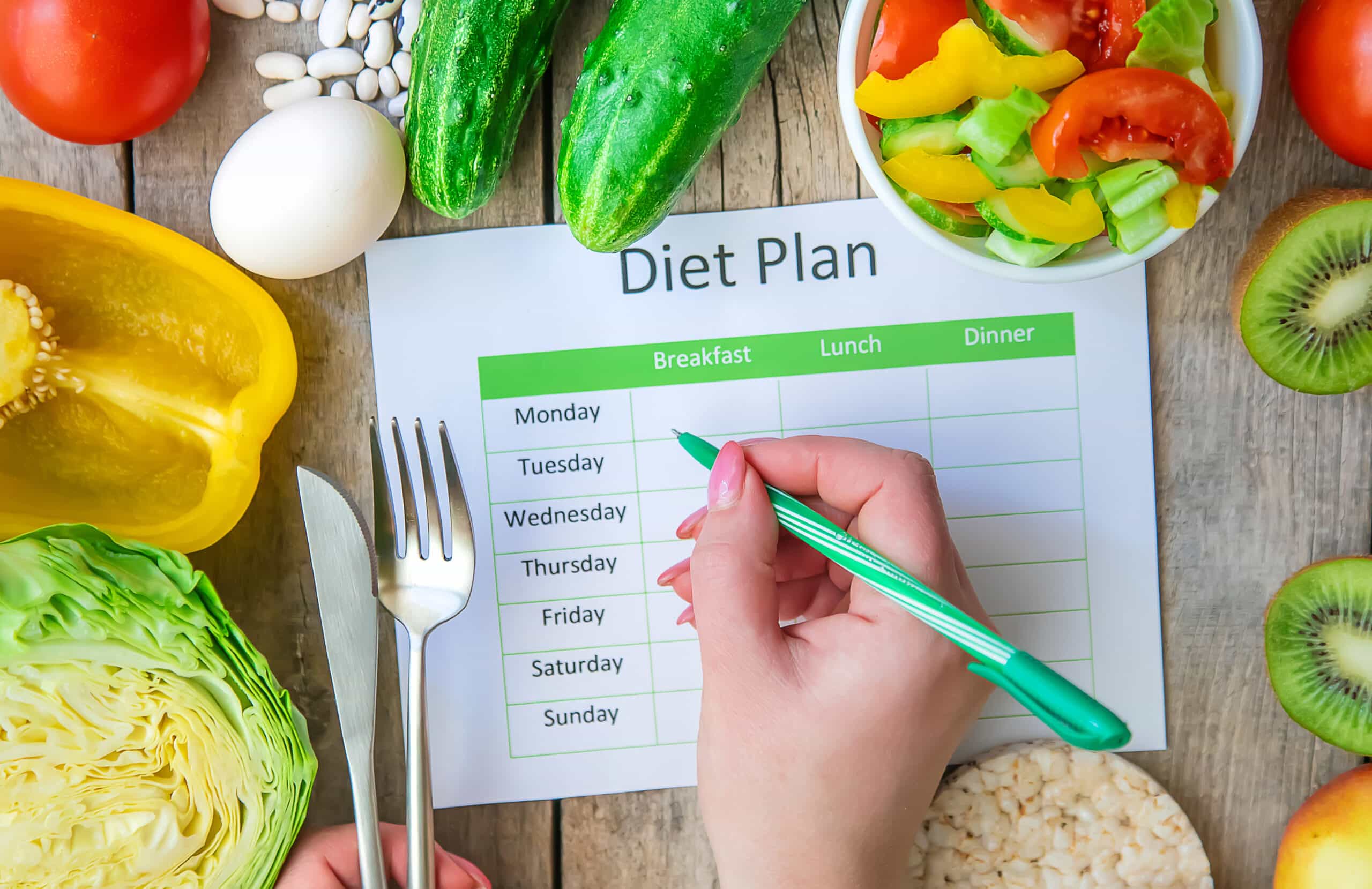
A Comprehensive 7-Day Diet Plan for Diabetic Patients

Living with diabetes does not mean giving up the foods you love or following a bland, joyless diet. It means making smarter choices consistently — choices that keep your blood sugar stable, your energy steady, and your body nourished. Over 10.1 crore Indians — one in every ten — are living with diabetes today. Diet is the single most powerful lever patients control. But across five years of treating diabetic patients at Dharma Homoeopathy, one pattern comes up again and again: patients following a careful diabetic diet plan, doing everything correctly, and still watching their readings refuse to settle. That is because Type 2 diabetes is rarely only about blood sugar. It sits alongside persistent fatigue, disturbed sleep, chronic stress and sluggish digestion — none of which a meal plan reaches on its own. Key takeaways Diet is the foundation, not the whole answer. Type 2 diabetes sits alongside fatigue,

Read More »
Uterine Fibroids Symptoms, Causes and Homeopathic Treatment

Uterine Fibroids: Symptoms, Causes and Homeopathic Treatment

If you’ve noticed heavy periods, pelvic pressure, or a bloated lower abdomen that won’t go away, uterine fibroids could be behind it. Fibroids are non-cancerous growths in or around the uterus, extremely common in women of reproductive age, and in most cases, manageable without surgery once caught early and understood properly. Key Takeaways Uterine fibroids are non-cancerous growths, not a sign of cancer risk in most cases Heavy or prolonged periods and pelvic pressure are the most common symptoms Fibroids and PCOS are frequently confused, but they’re different conditions with different causes Not every fibroid needs surgery size, location, and symptoms determine the right approach Homeopathy takes a whole-body, hormone-balancing approach rather than treating the growth alone What Are Uterine Fibroids? Uterine fibroids, also called leiomyomas or myomas, are muscular growths that develop in the wall of the uterus. They can be as small as a seed or large enough

Read More »
Diverticulitis Early Signs, Causes & Homeopathic Management

Diverticulitis: Early Signs, Causes & Homeopathic Management

If you’ve had sudden pain in your lower left abdomen along with bloating, fever, or a change in bowel habits, you may be dealing with diverticulitis inflammation or infection of small pouches that form in the wall of your colon. It’s common after age 40, closely tied to low-fiber diets, and highly manageable once you know the early warning signs and act on them early rather than waiting for symptoms to escalate. Key Takeaways Diverticulitis causes sharp, usually left-sided abdominal pain, often with fever and bloating Low fiber intake, aging, and a sedentary lifestyle are the biggest risk factors It’s often confused with IBS, but the two are different conditions with different treatment paths Diet plays a major role in both triggering flare-ups and preventing them Homeopathy focuses on the underlying digestive imbalance, not just the flare-up What Is Diverticulitis? Your colon wall can develop small bulging pouches over time,

Read More »
Allopathy vs Homeopathy for Diabetes Which Is Better

What Is Retinal Migraine? Symptoms, Causes & Warning Signs

You were going about your day normally when, without warning, vision in one eye went dark or blurry for a few minutes. Then it cleared up completely — as if nothing had happened. No pain, no explanation. If that sounds familiar, you may have experienced a retinal migraine. Retinal migraine is a specific, recognised neurological condition that causes temporary vision disturbances or loss in one eye. Understanding exactly what it is — and what it is not — is the first step toward managing it correctly. What Is Retinal Migraine? Retinal migraine — also called monocular migraine — is a type of migraine that causes repeated episodes of temporary visual disturbance or partial to complete vision loss in one eye only. The episodes are caused by reduced blood flow to the retina, the light-sensitive tissue at the back of the eye. The key word is temporary. Vision typically returns to

Read More »

Our Testimonial

What Our Patients Say About Us

Pradeep
Pradeep
I visited Dr. Shubham Tiwary for my skin related issue and I was satisfied with the way he treats his patients he listens to all the things patients tell them takes notes, ask questions, and then gave medicine, it was helpful for me to reduce my infection. I again visited him for my daughter’s problem and she was also cured in quick time.Thank you
Amit
Amit
I am a athlete I was suffering from sever lower back pain. I tried showing to many doctors but no results. My uncle suggested to try homeopathy. I met Dr. Shubham Tiwary after a good consultation he gave me medicine it's just took a week the pain just vanished and I was back on track. Thank you Dr Shubham.
Rahul
Rahul
The doctor was very attentive and patient throughout my queries. I received excellent care.My pimples have reduced greatly and I would recommend him and his team to everyone. Thank you Dr Shubham.